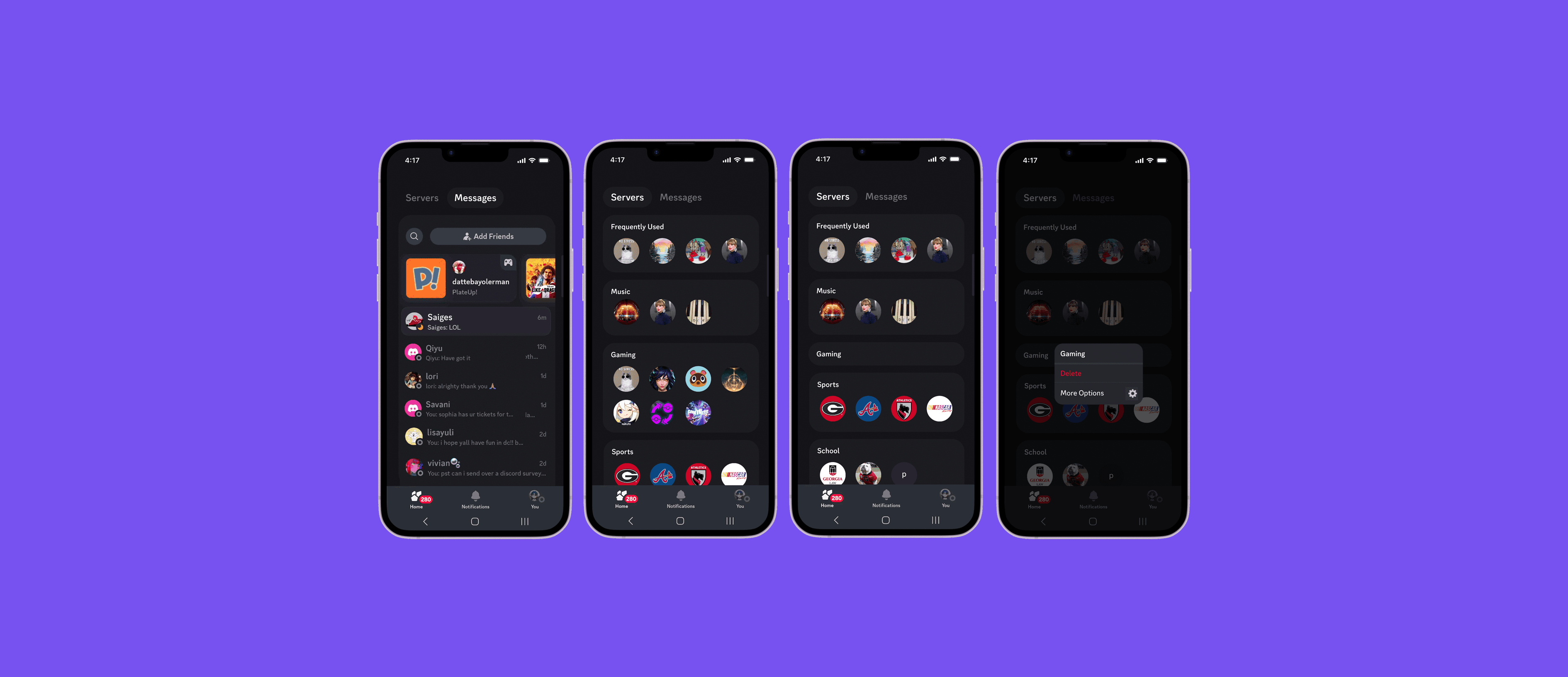
Discord Mobile Categorized Servers
Sole Designer
Time
2 Weeks
Team
1 Designer
Skills
UX Design, Interaction Design, User Research, Prototyping
Deliverables
iOS Designs
CHALLENGE
Users don't want to scroll through 200 tiny servers.
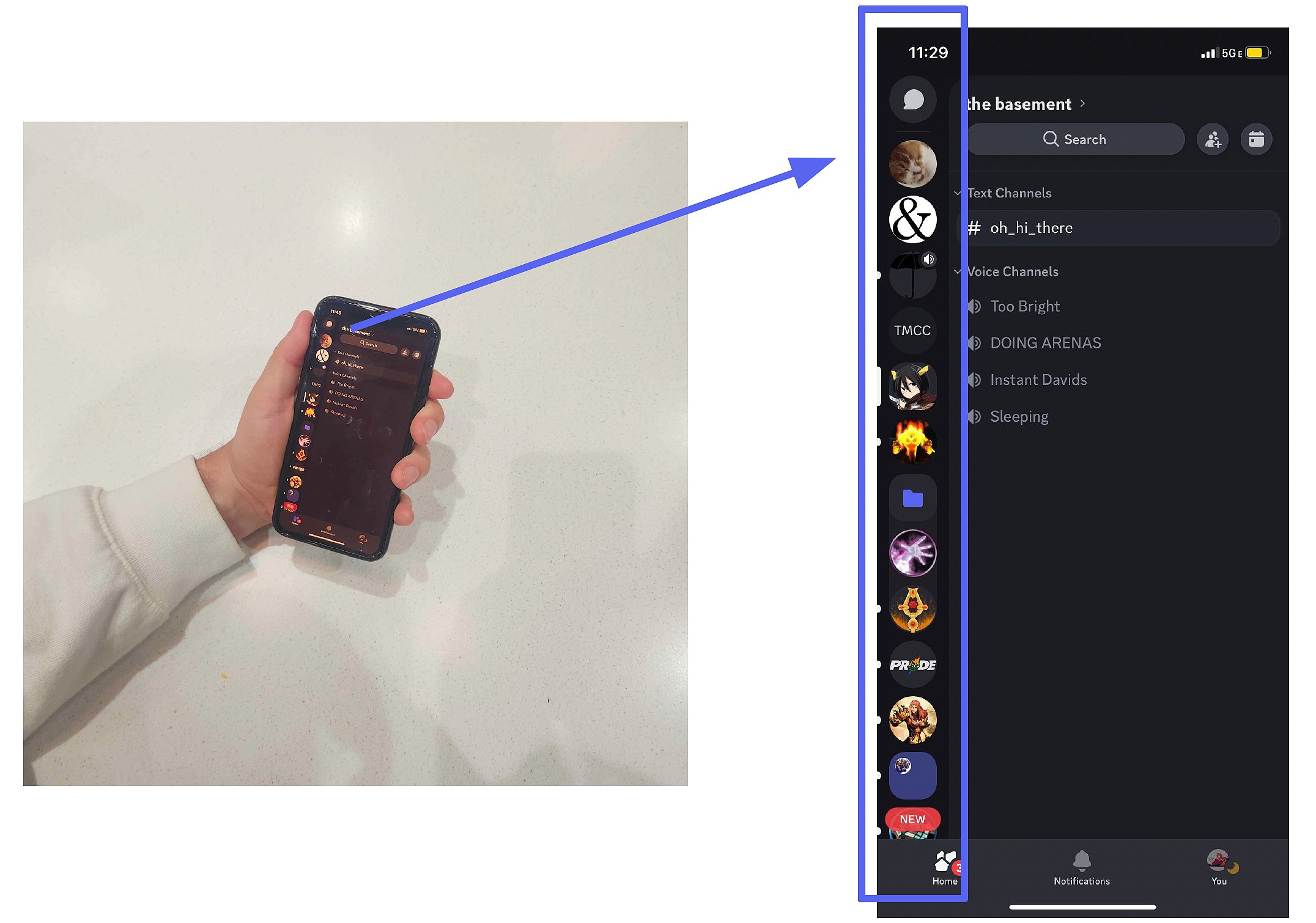
A sidebar on a phone screen can hold up to 200 servers. Discord mobile users often have to manage extremely long lists of servers on a small vertical sidebar. This can be extremely tedious to navigate on a daily basis.
DESIGN PROCESS
I designed this experience from start to finish

THE SOLUTION
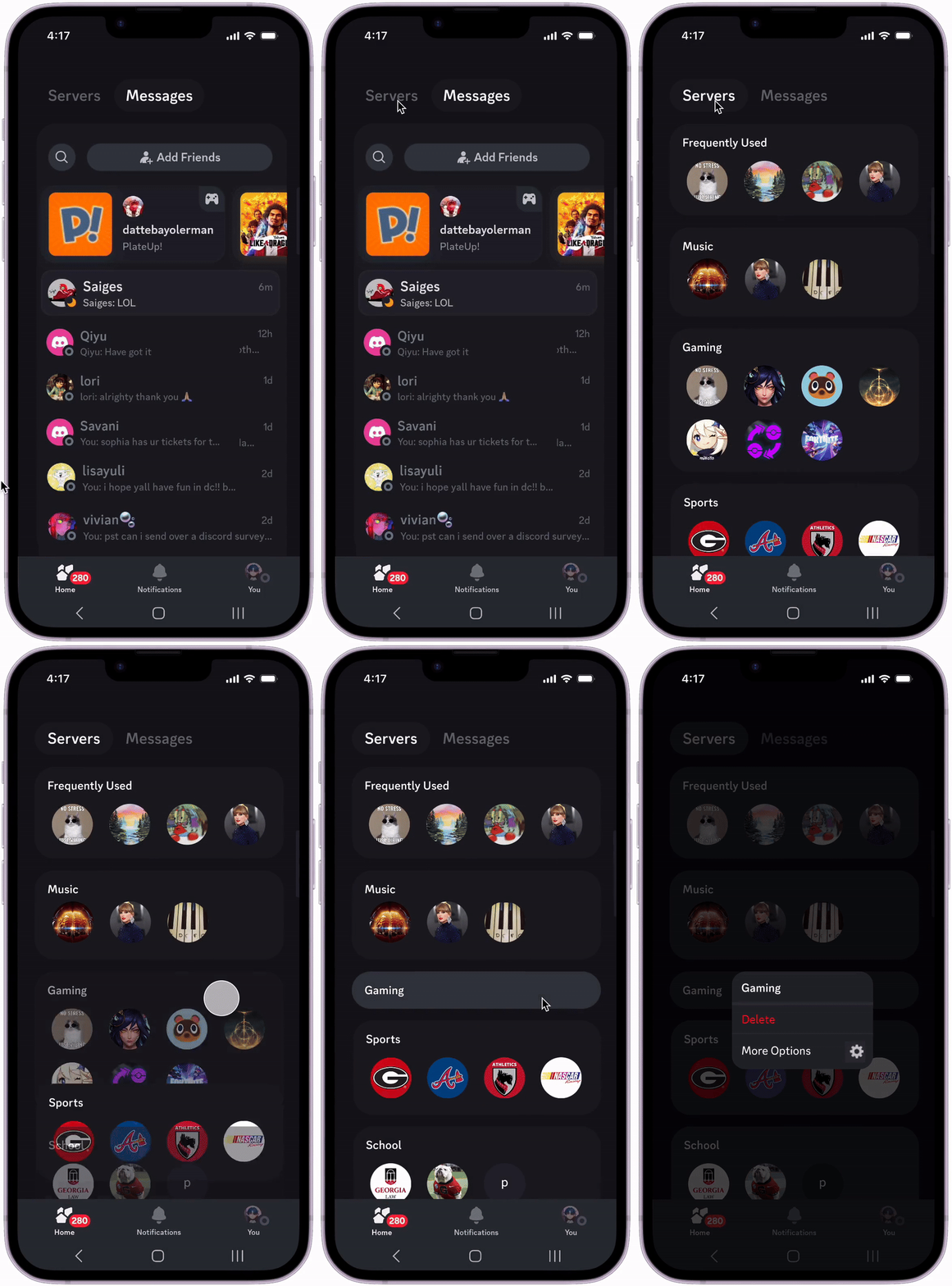
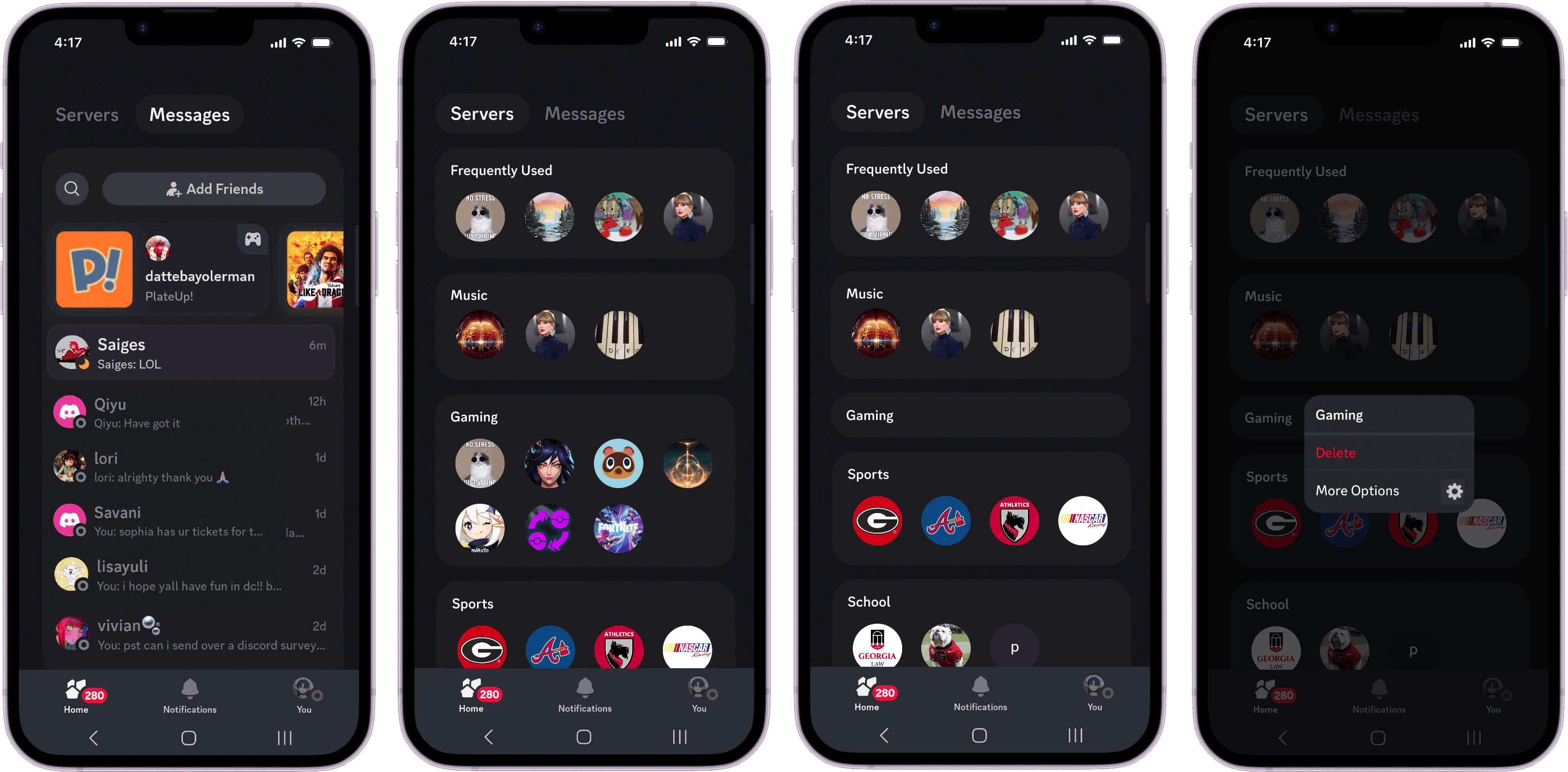
I kept it simple and designed a space-efficient UI for users
Through timed usability tests, I found out that users were able to find a server approximately 20% quicker than in the original sidebar layout. In the final iteration, I replaced horizontal scrolling categories with a structured icon grid, directly informed by user feedback.
INITIAL DIRECTION
Hypothesis
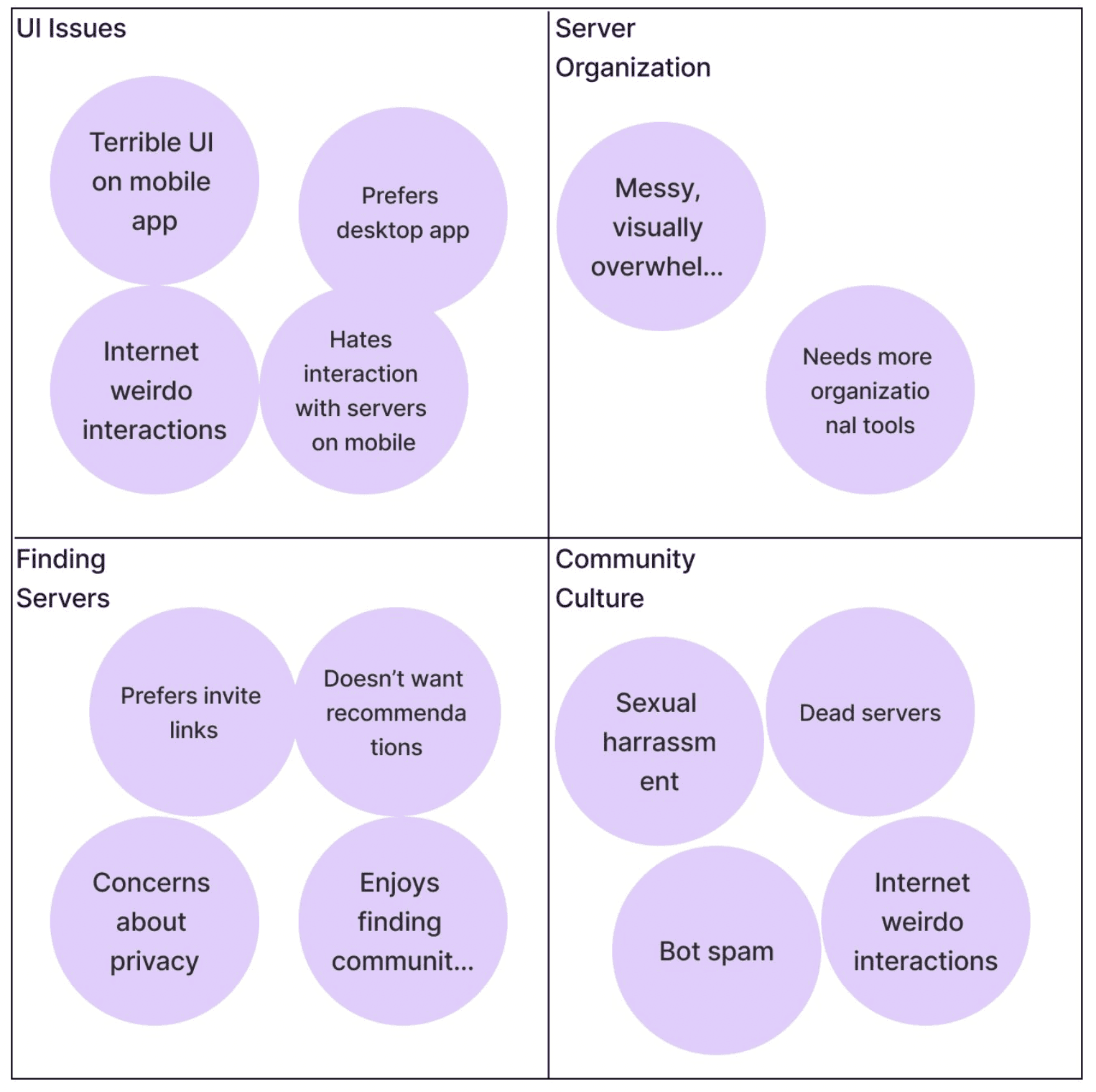
I believed that users would want to get community suggestions on Discord to help them join more servers. However, this was not the case. There were far more UI and organizational issues that affected their navigation.
A CHANGE IN DIRECTION
Discord culture is extremely unique in comparison to other platforms.
I initially hypothesized that users would want to connect with others by joining more suggested servers.
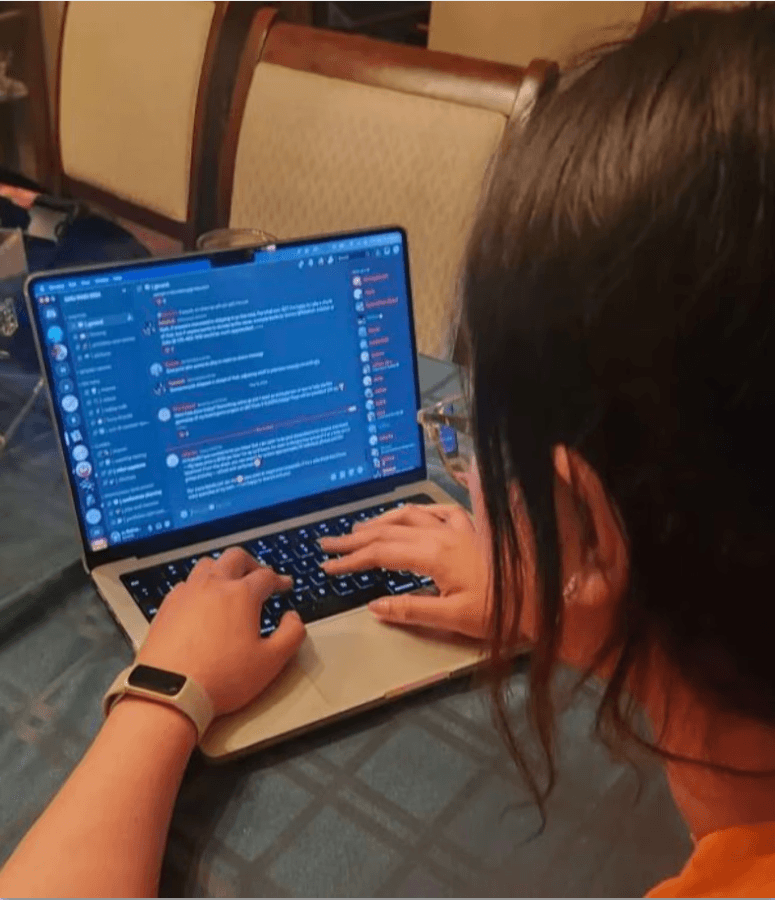
However, through direct user interviews on Discord, I found that this assumption was incorrect. Users expressed a strong preference for privacy and a desire for community participation, indicating little interest in new server suggestions from the platform. Instead, they prioritized better ways to organize and navigate their existing servers, highlighting an opportunity to improve information architecture over growth-driven features.
ARCHETYPES
Types of users I interviewed:

Gamer
Wants to use Discord to stream games and chat with other gamers live, uses it as a tool to group together for team games.
"It's a pain for me to navigate through all my folders on mobile to find the right server for a specific guild raid."

Networker
Wants to use Discord to socialize on a variety of topics, uses it as a messaging forum to chat with people online.
"It's hard to leave all my old community servers that have been overrun with bots."

Collaborator
Wants to use Discord for school or work, uses it as a team workspace to keep up with project updates.
"I want to be able to organize my servers to meet with my teammates, but the folders don't really have a labeling option."
MODERATED THINK ALOUD
Establishing a baseline
Through this, I was able to determine that the Discord mobile app needed a better way to organize and label servers to help users have more control of and navigate their own servers.
I further tested users by giving them a series of tasks regarding server organization in order to get a control test to see how they currently navigated through their servers.

PROTOTYPING
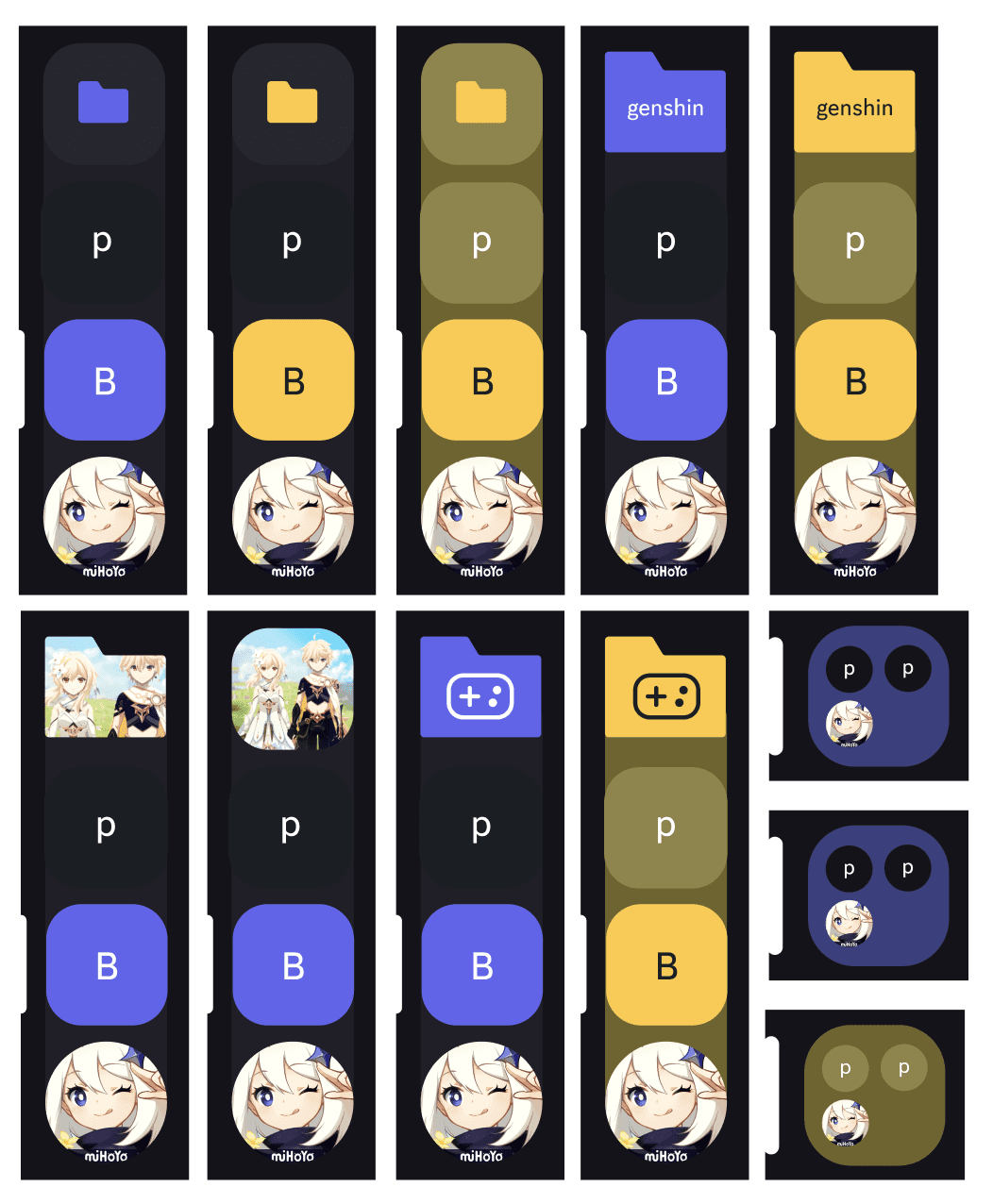
Starting small with folders
I started prototyping by designing different variations of folder organization. During this time, I also did a competitive analysis of Slack and Reddit, two analogous experiences, to see ways they handled their information architecture.
PROTOTYPING
Going larger by revisiting the overall information architecture
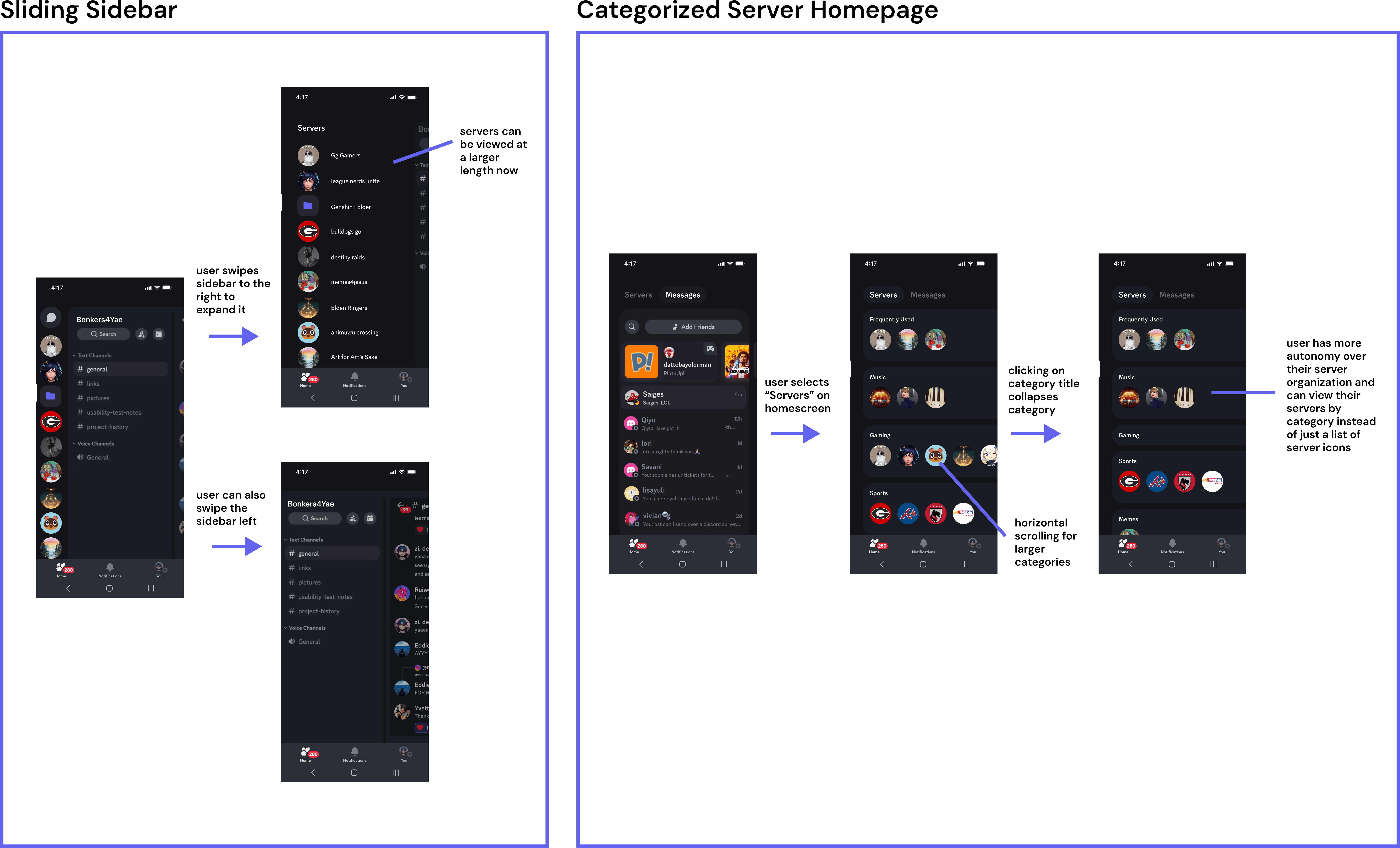
I ended up prototyping two versions for A/B testing - a sliding sidebar and a categorized server homepage.
RESEARCH METHOD
Categorized homepages were high impact and easy-to-use
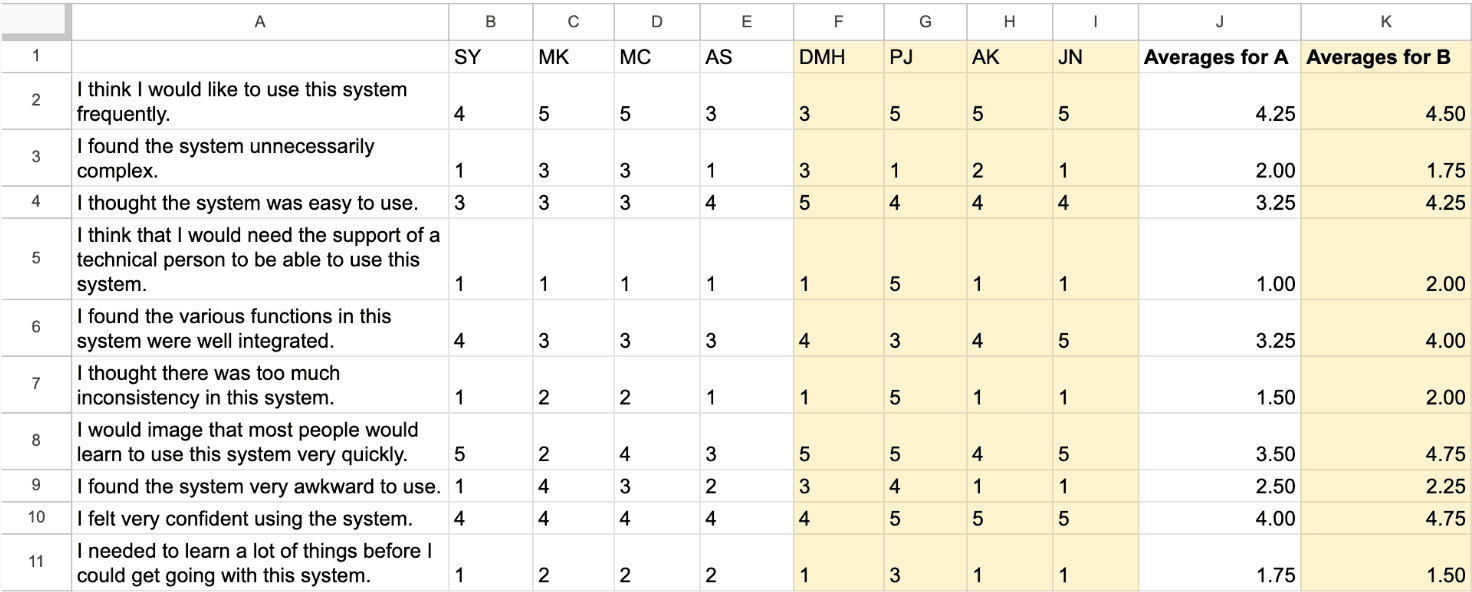
Through A/B testing and System Usability Scale, I determined that the categorized server homepage prototype was the easiest to use as well as the highest impact. I conducted two rounds of user interviews, enabling me to track time-on-task and validate improvements in navigation time.
AFTERWORD
This was my first time doing so much end-to-end user research at such a high pace. I designed studies, recruited participants, conducted sessions, and synthesized findings. I conducted usability tests with 16 different users in a span of approximately two weeks. Over two weeks, I ran usability tests with 16 users, using quick insights to pivot from my initial hypothesis and iterate through three prototype rounds, ultimately finding a high impact solution.