fuguUX Wayfinder
Founding Designer
Time
2 Years
Team
1 Founding Designer, 2 Founders, 5 Engineers
Skills
Product Design, Interaction Design, User Research, Prototyping, Design Systems
Deliverables
Responsive Designs, Branding
CHALLENGE
I created a 0→1 AI tool that combines agentic AI, LLMs, and computer vision for user testing and heuristic evaluations, enabling product owners to surface insights rapidly.
IMPACT
Systems Design
Restructured information hierarchy and AI parameters for transparent, scalable, HCI-grounded outputs.
Optimization
Cut latency by 60%+ and reduced token costs by optimizing input/output flows.
Consistency
Established and iterated on UI design system and brand identity.
Research
Interviewed 70+ users via cold outreach and self-organized conference booths.
THE PRODUCT
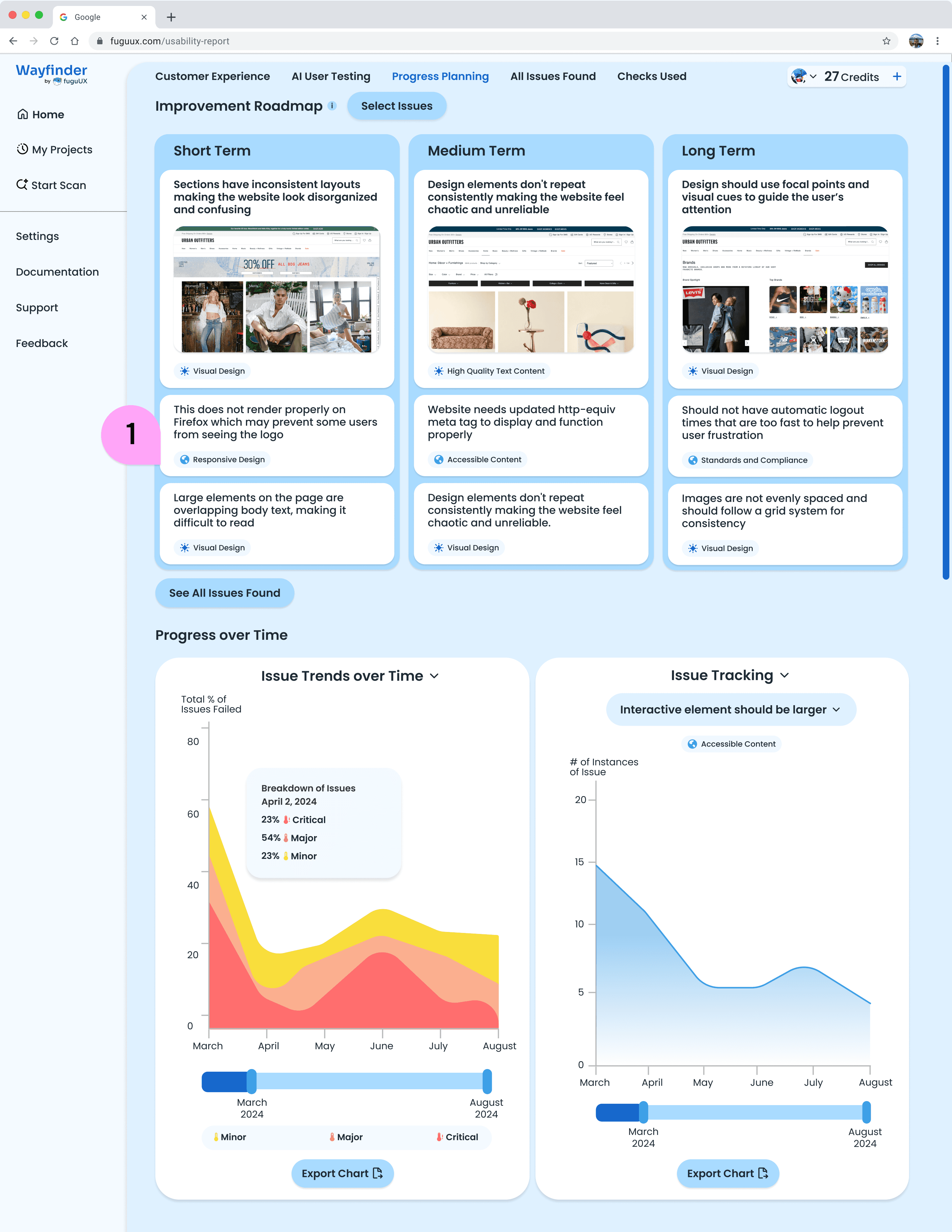
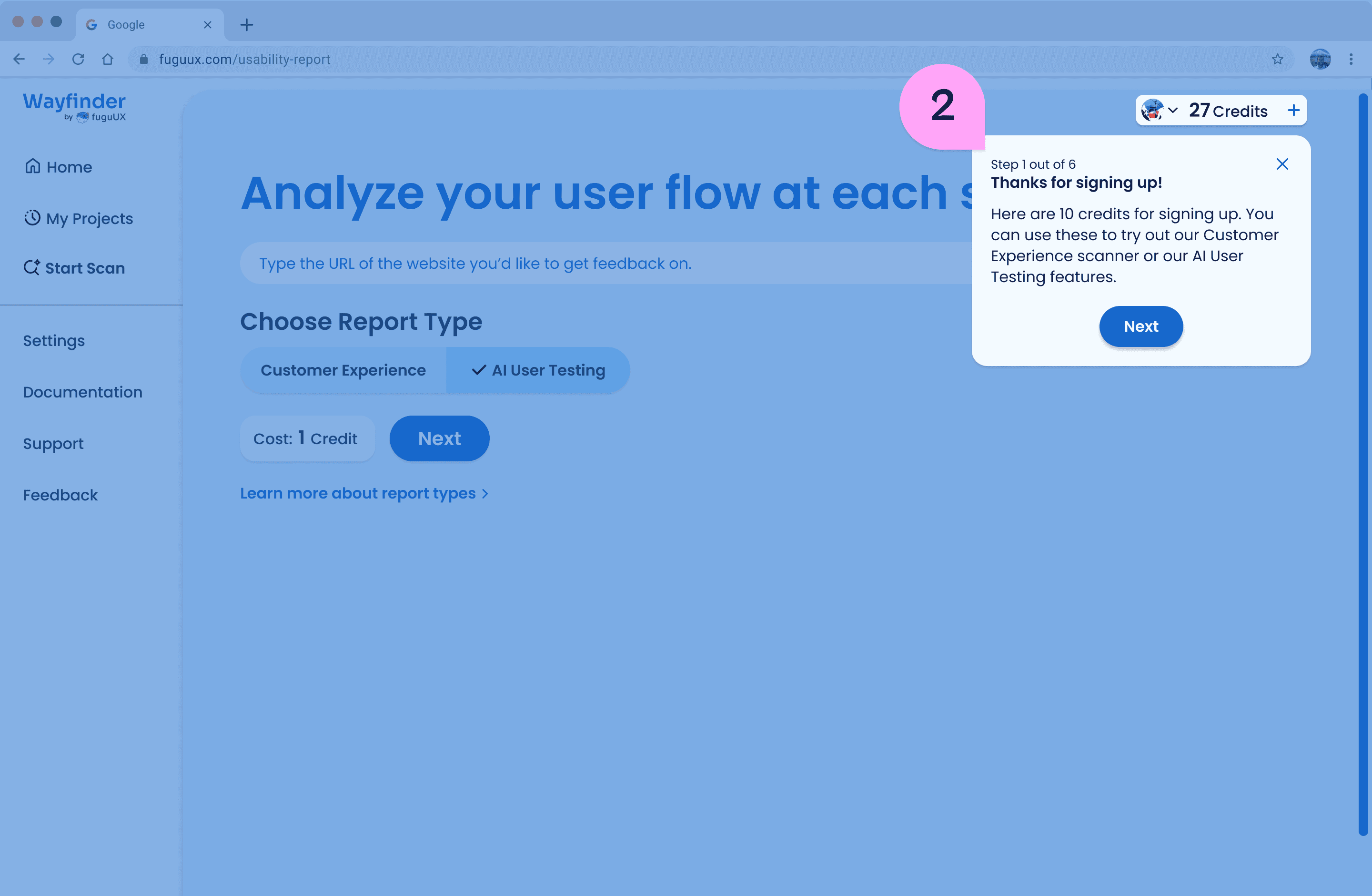
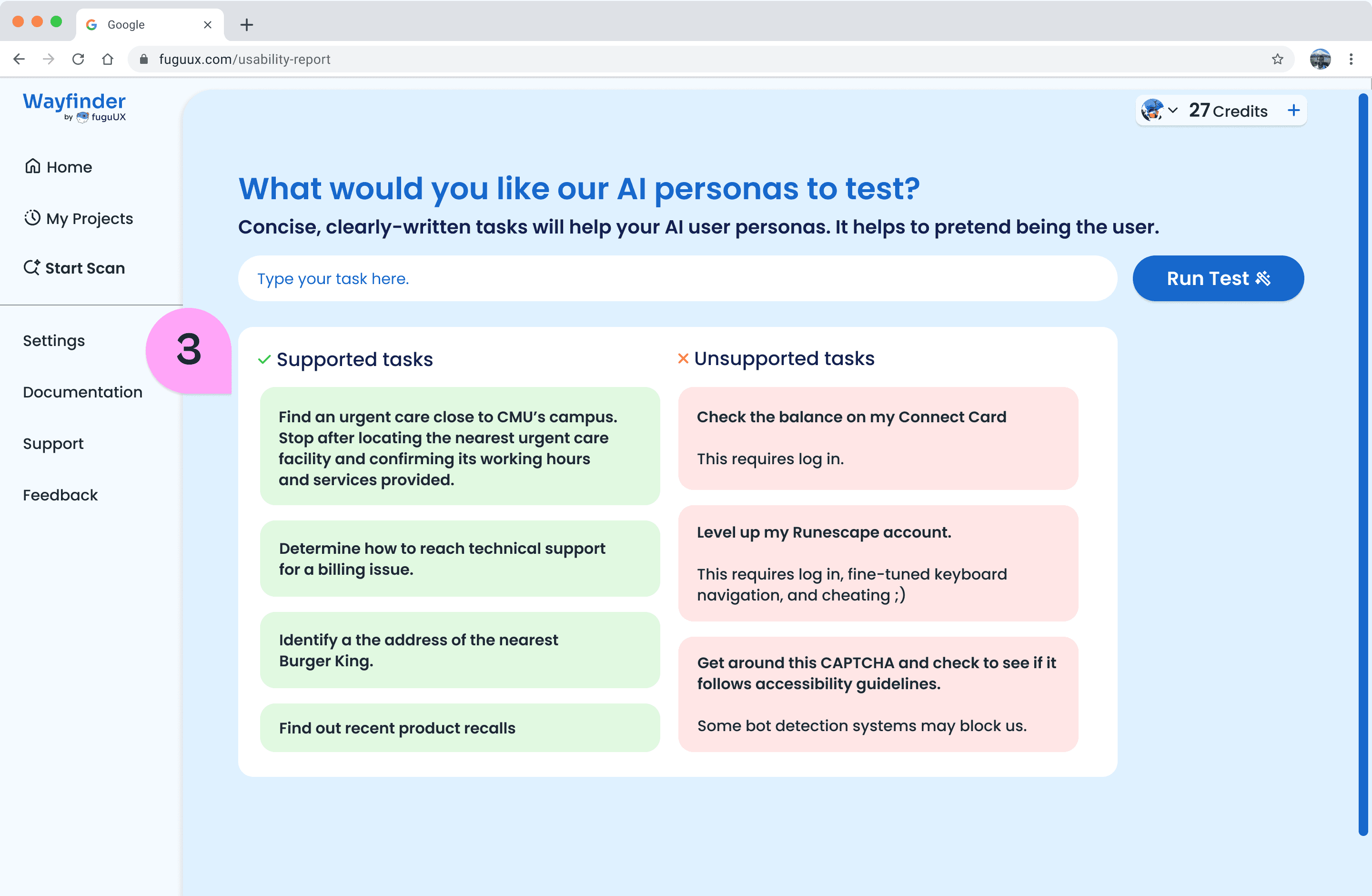
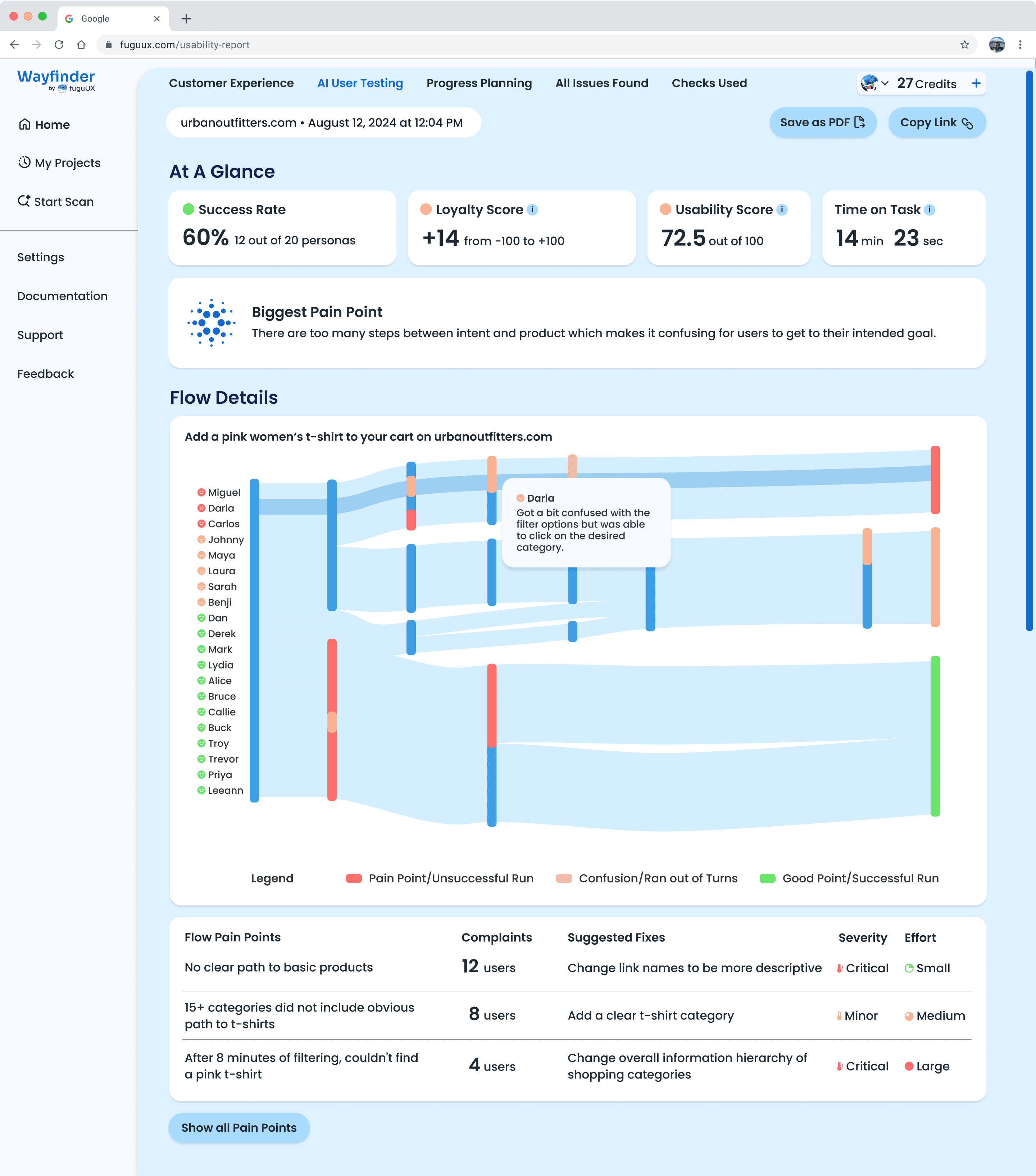
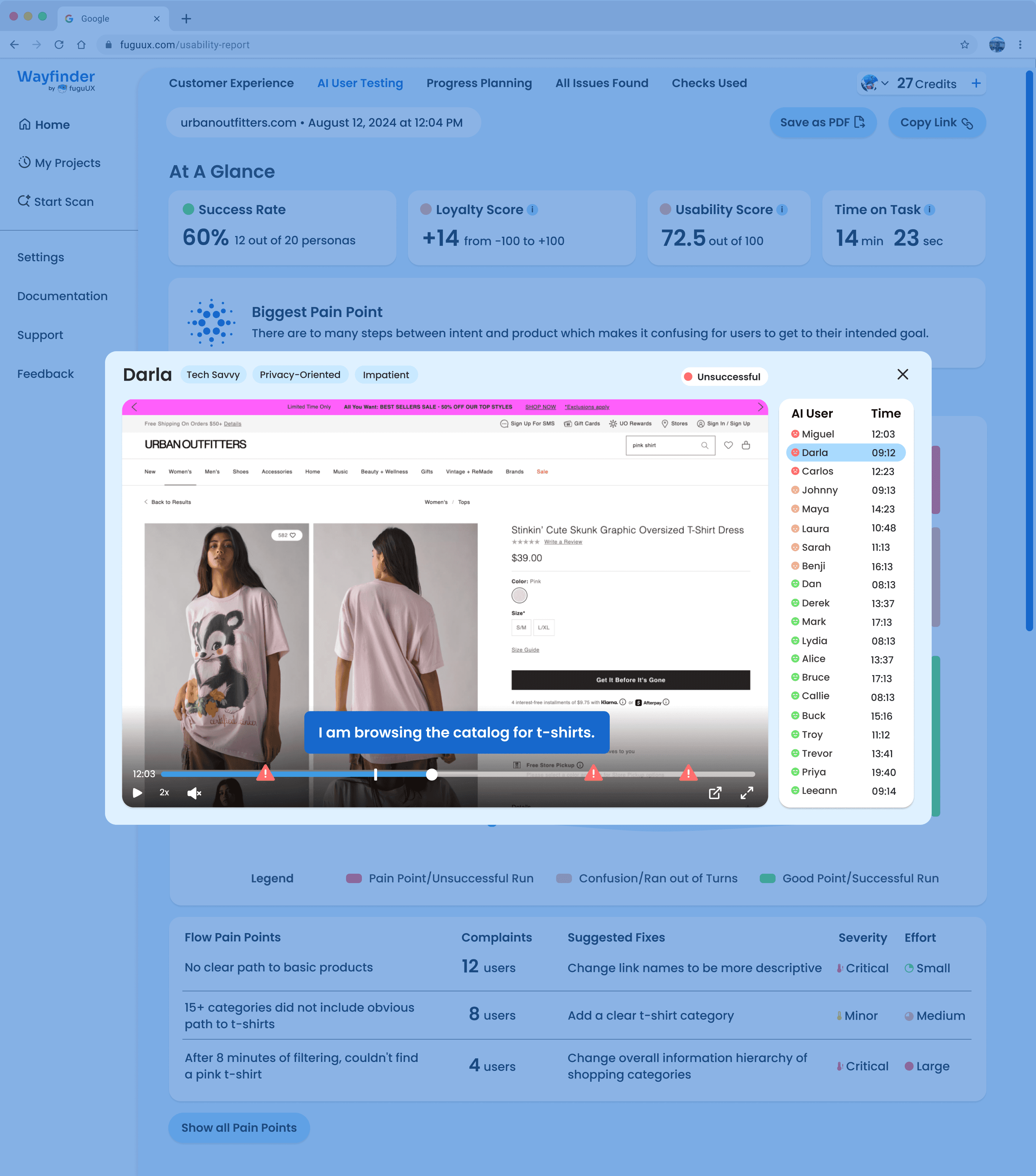
A tool that uses agentic AI, computer vision, and LLMs to run user testing and heuristic evaluations
The fuguUX Wayfinder is a ground-up AI tool that helps product owners quickly gain actionable product insights.
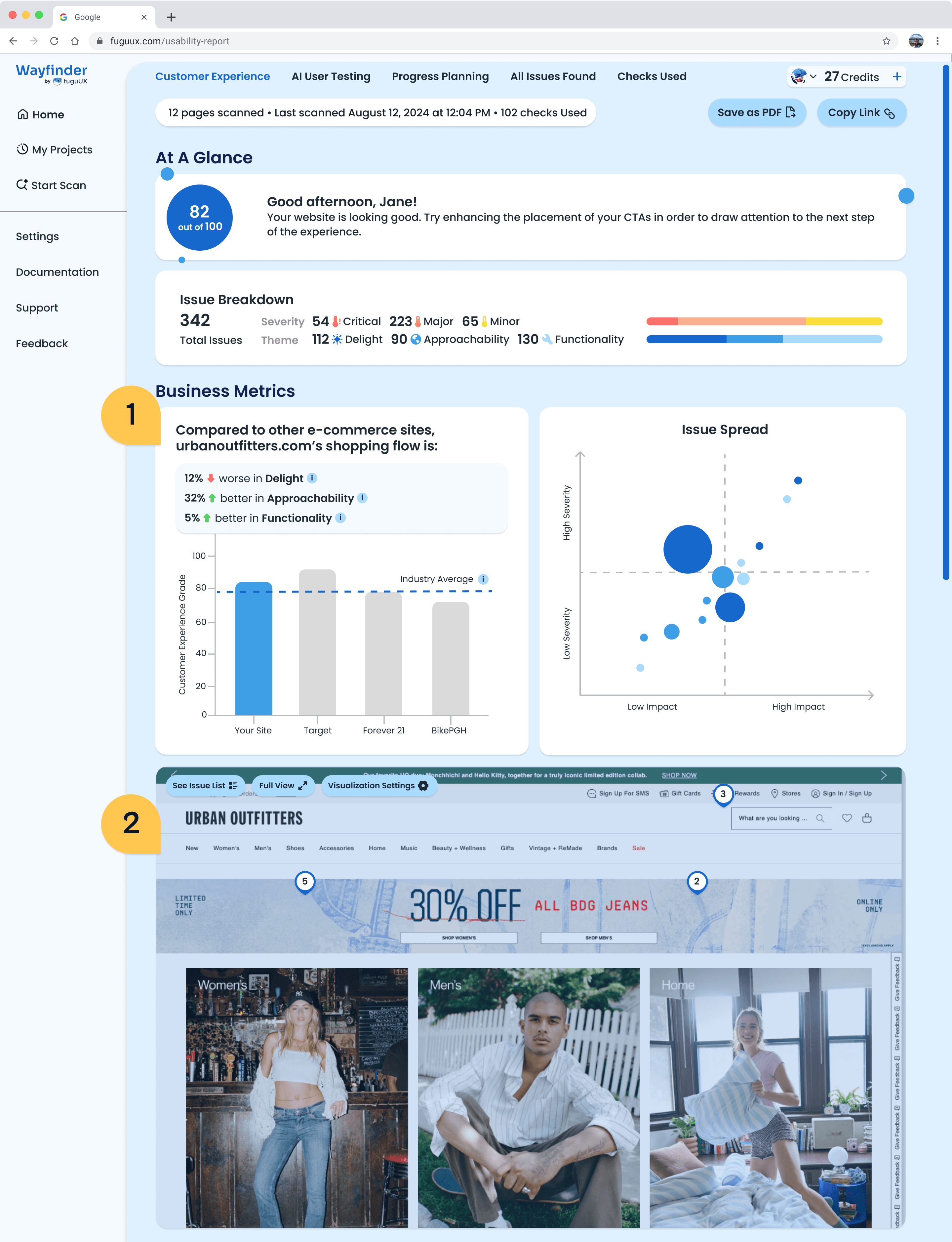
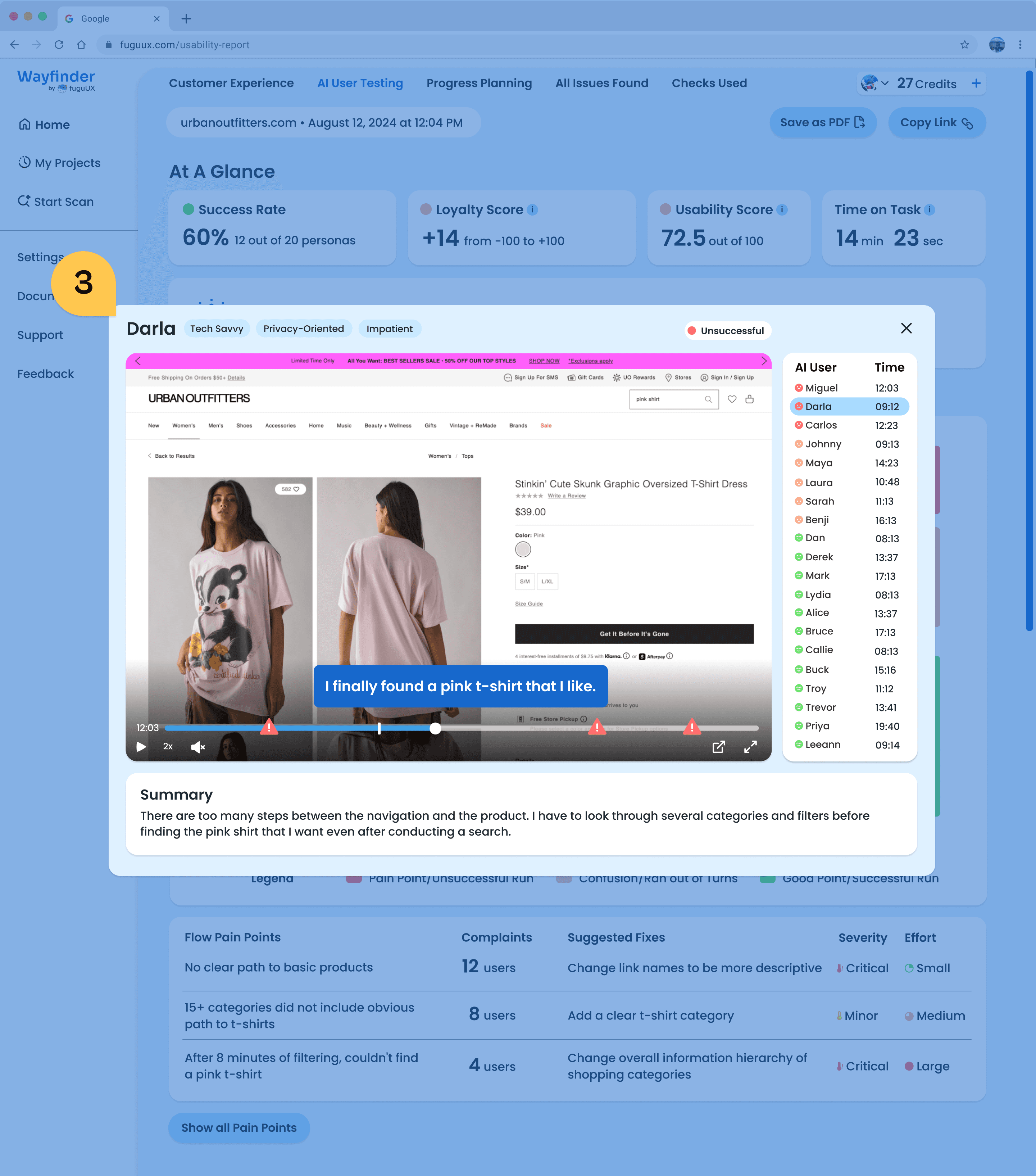
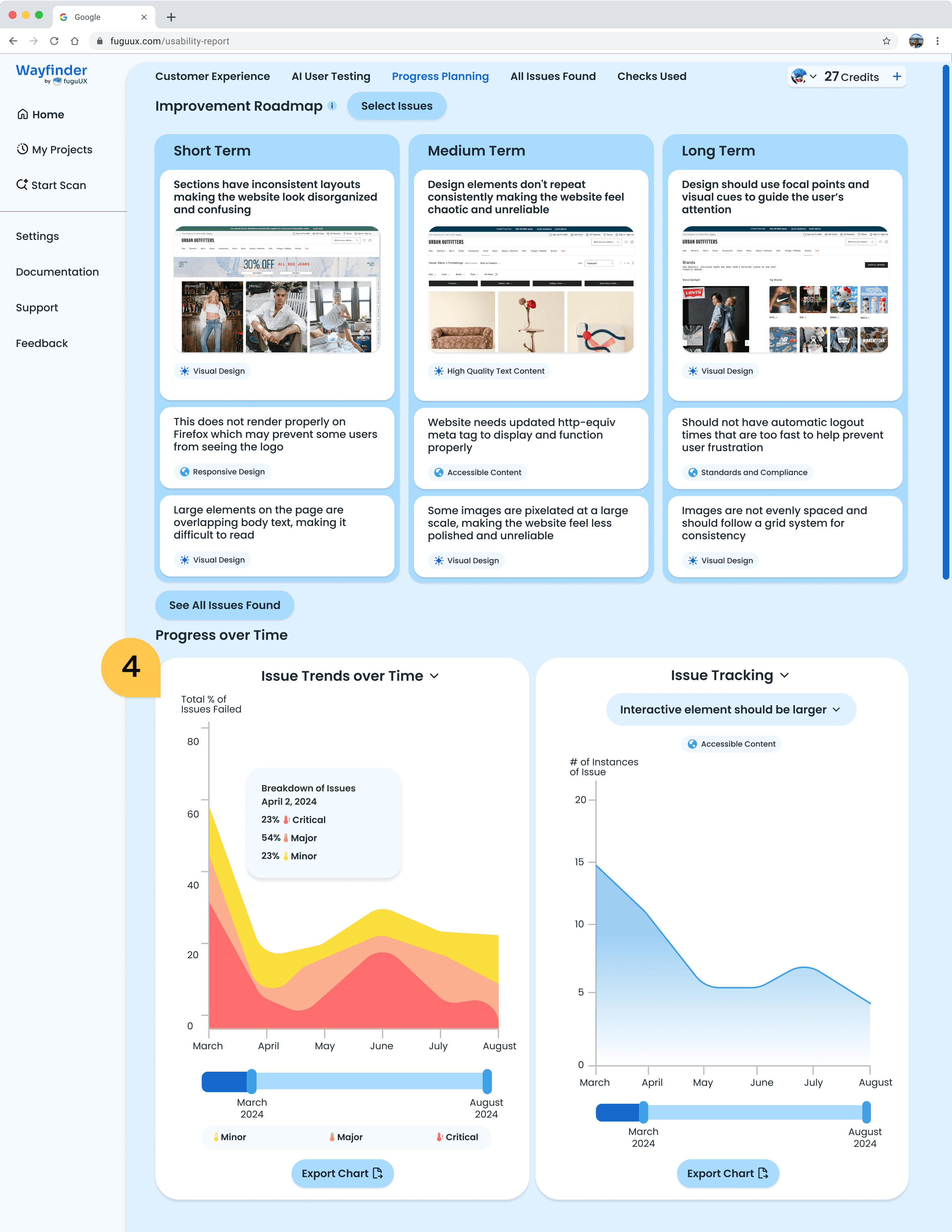
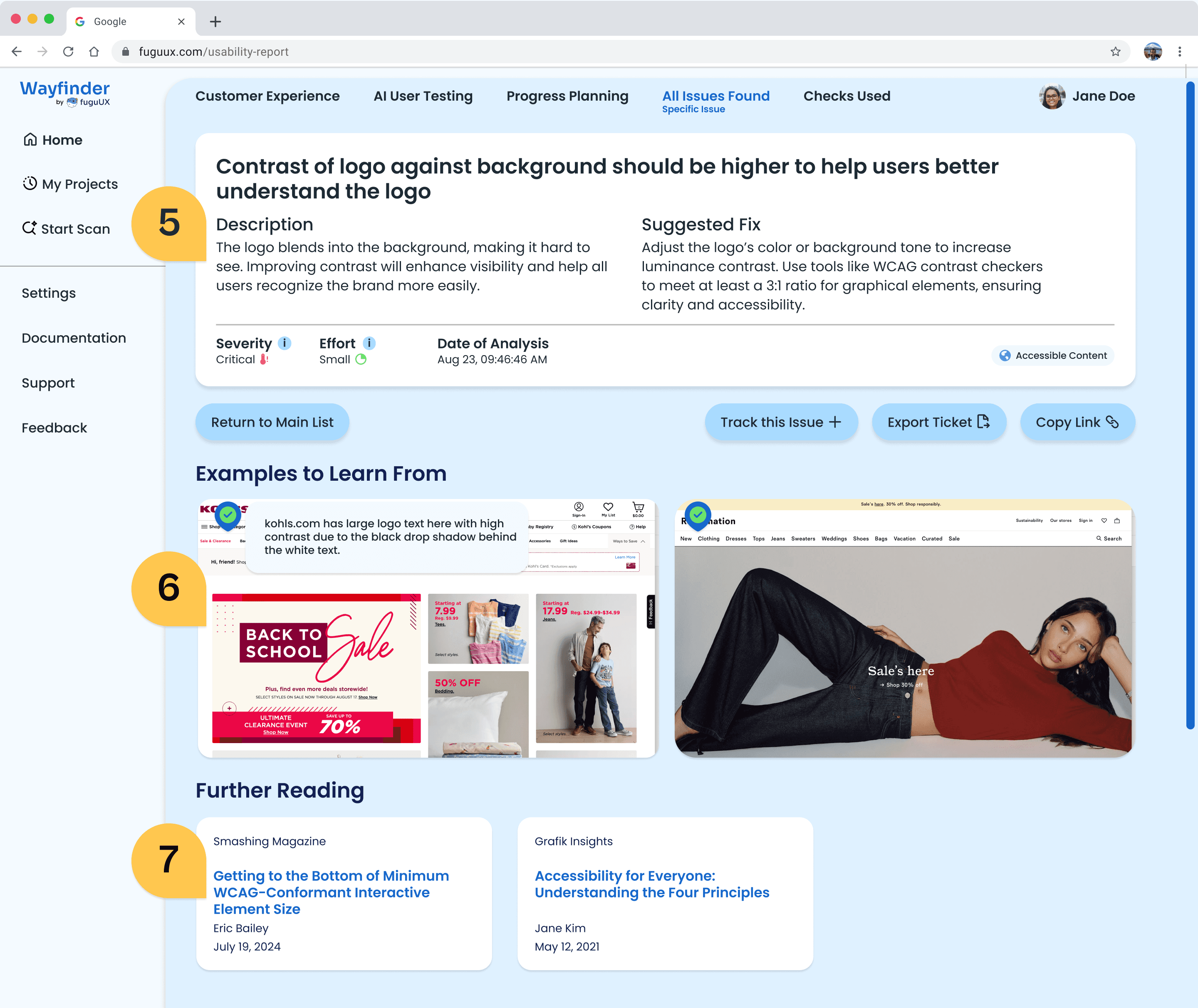
DESIGNING FOR A GROUND-UP AI EXPERIENCE
How might we design features for the AI to meet business needs?
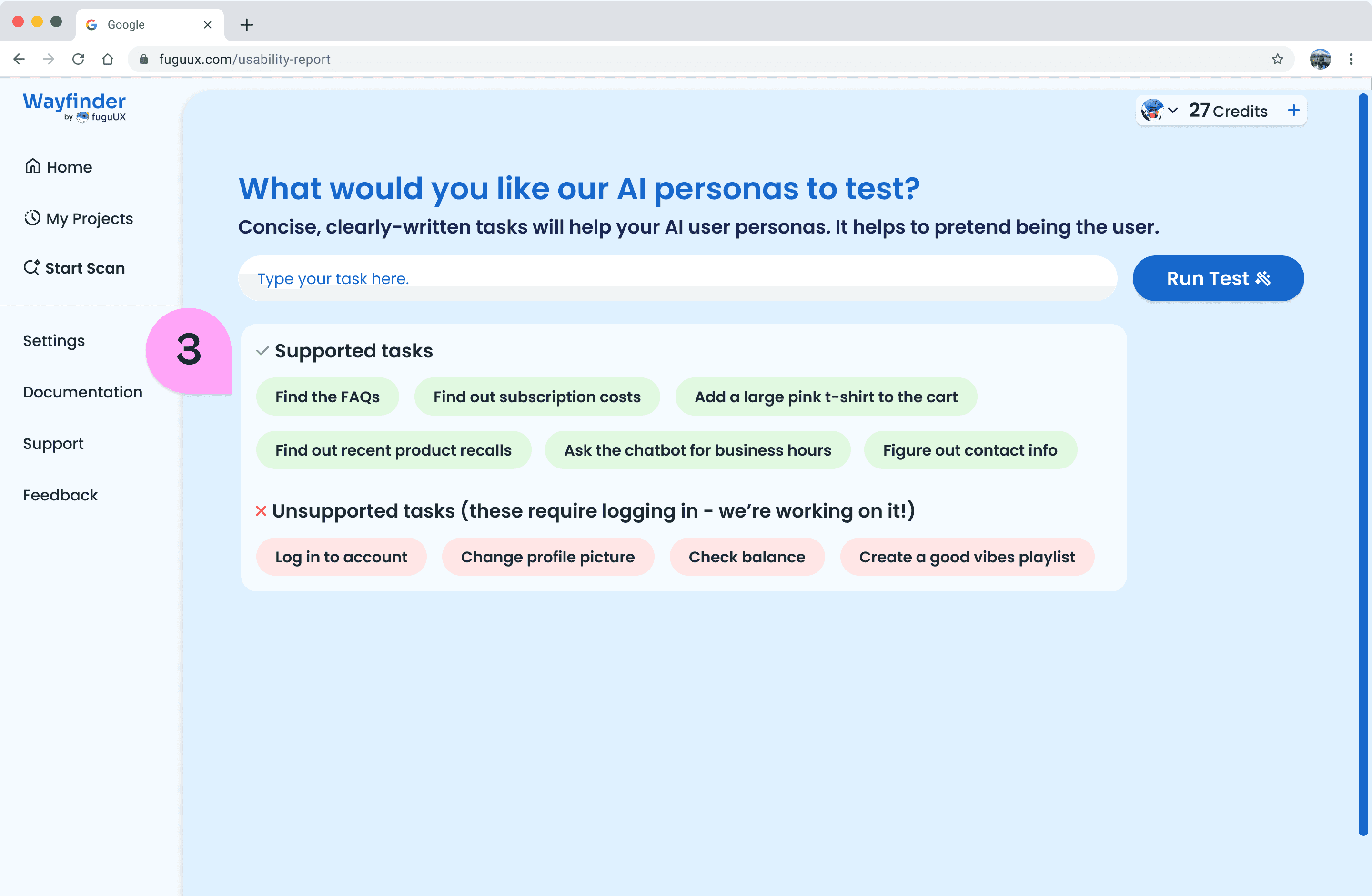
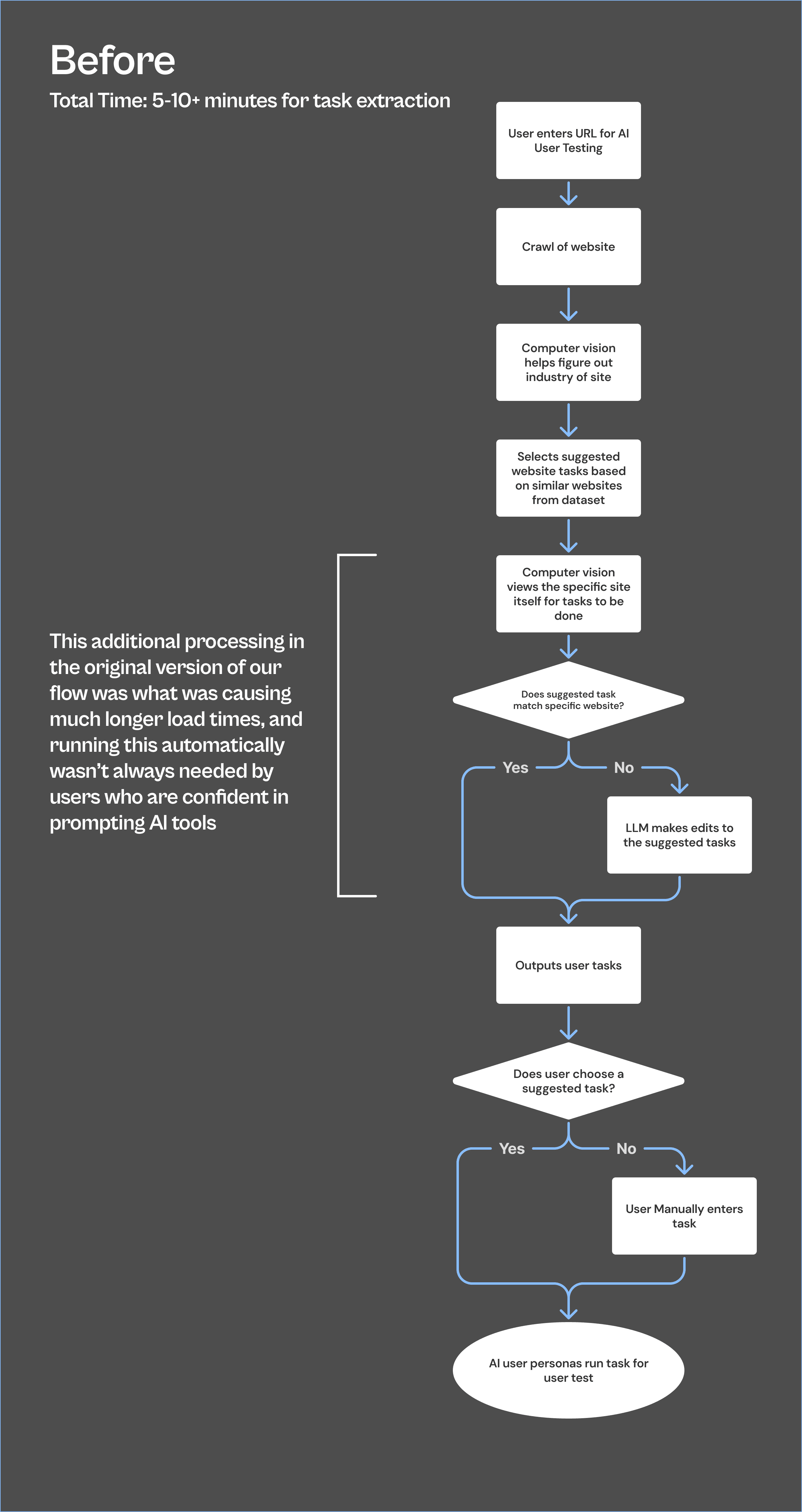
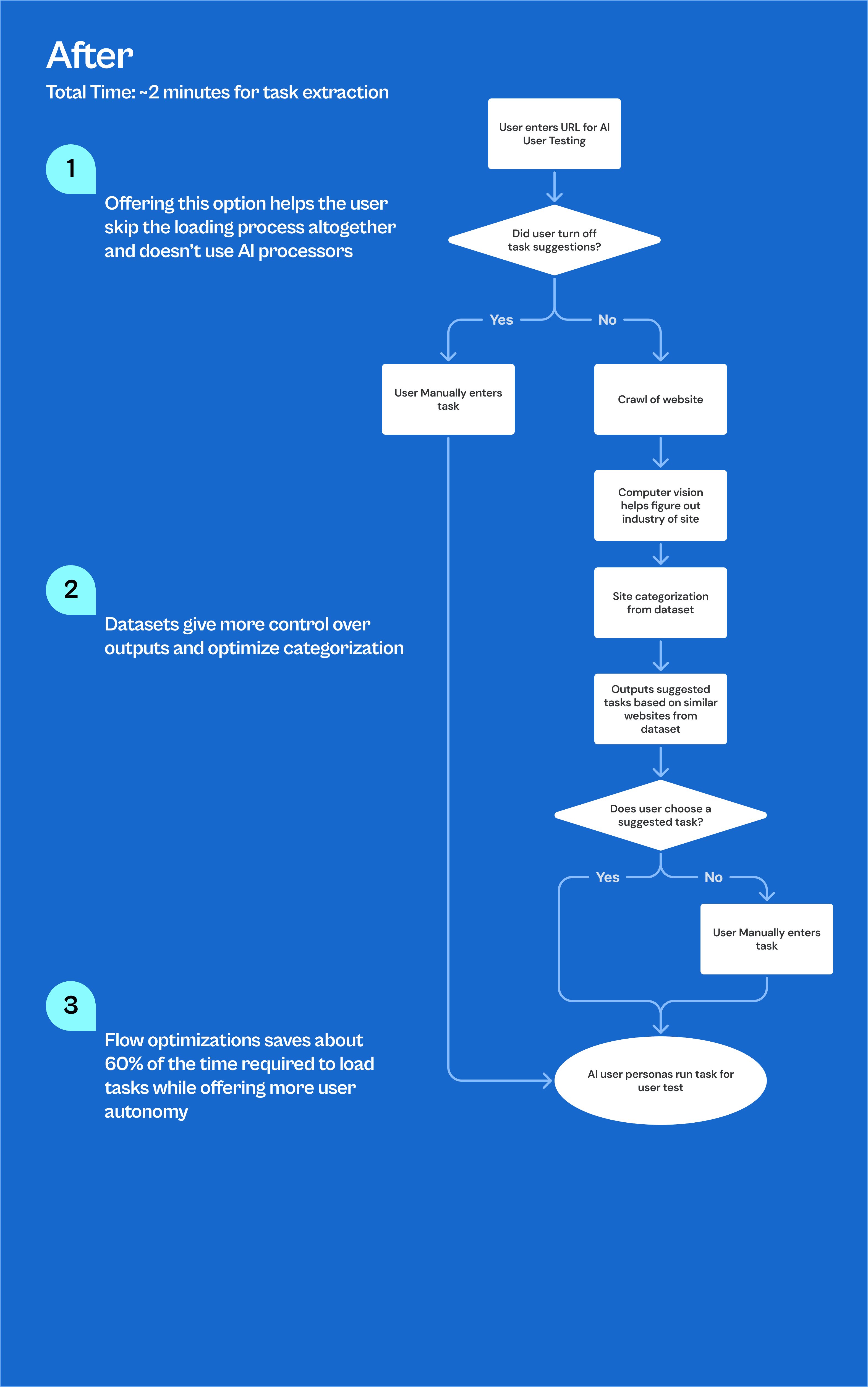
I optimized our Task Extraction process (a user enters their URL and we output most likely user tasks on the website). I optimized to reduce latency, improving the user experience while also lowering AI token costs by:
1
Offering alternatives to AI features where they're not needed
2
Optimizing flows to reduce processing times in order to reduce user frustration
3
Selecting results from datasets where possible to reduce errors from hallucinations
DESIGNING FOR A GROUND-UP AI EXPERIENCE
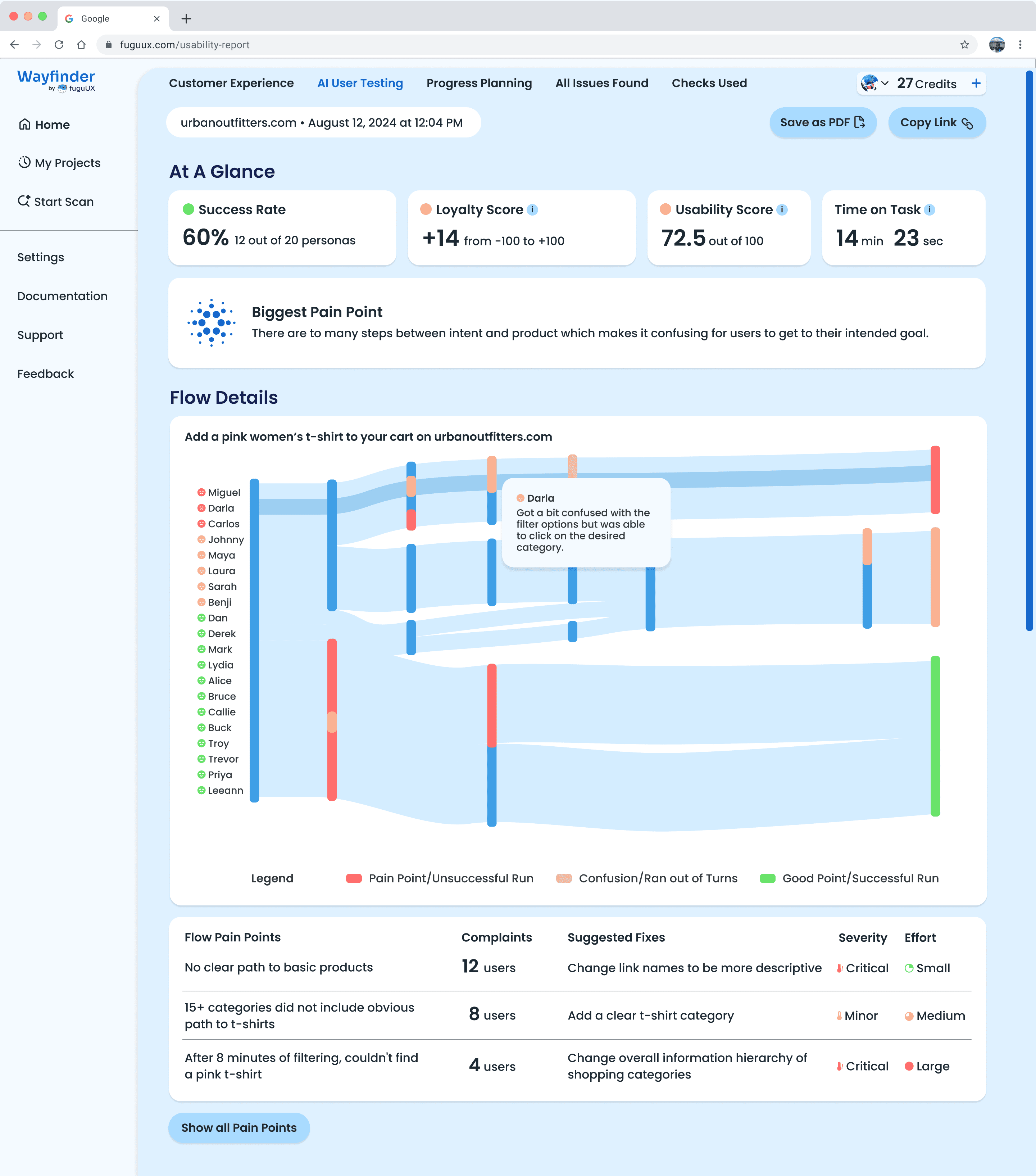
How might we emulate realistic user tests and heuristic evaluations with our agentic AI?
When I joined, usability testing traits lacked logical organization. I rebuilt the structure by bridging heuristic evaluation frameworks with AI architectural constraints—translating key components into the AI space, then defining them into three core themes with subcategories that AI personas could actively scan for:

Delight
The website should shine with strong visuals, smooth content flow, and thoughtful details that bring user delight.

Approachability
The website should be accessible, easy to find, and engaging for people of all locations and abilities.

Functionality
The website should perform reliably with fast load times, clean code, and minimal bugs.
I eventually adapted this framework to what AI personas could look for, specifically accounting for scenarios inaccessible to unauthenticated crawlers, such as login-gated features and dynamically rendered, user-specific content.
EXPLORING AND PIVOTING AS A STARTUP
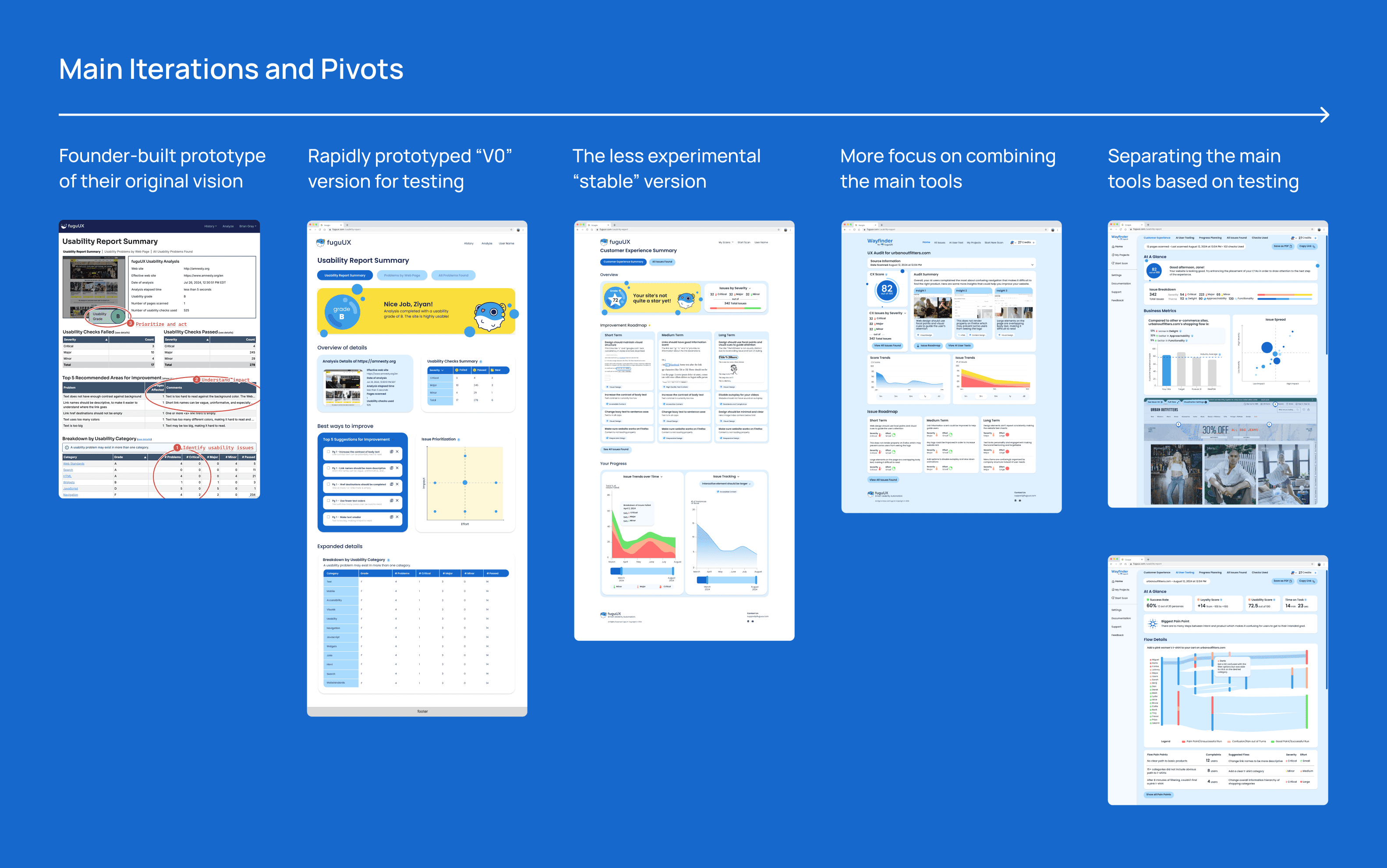
We rapidly prototyped and pivoted many times to get closer to the solution.
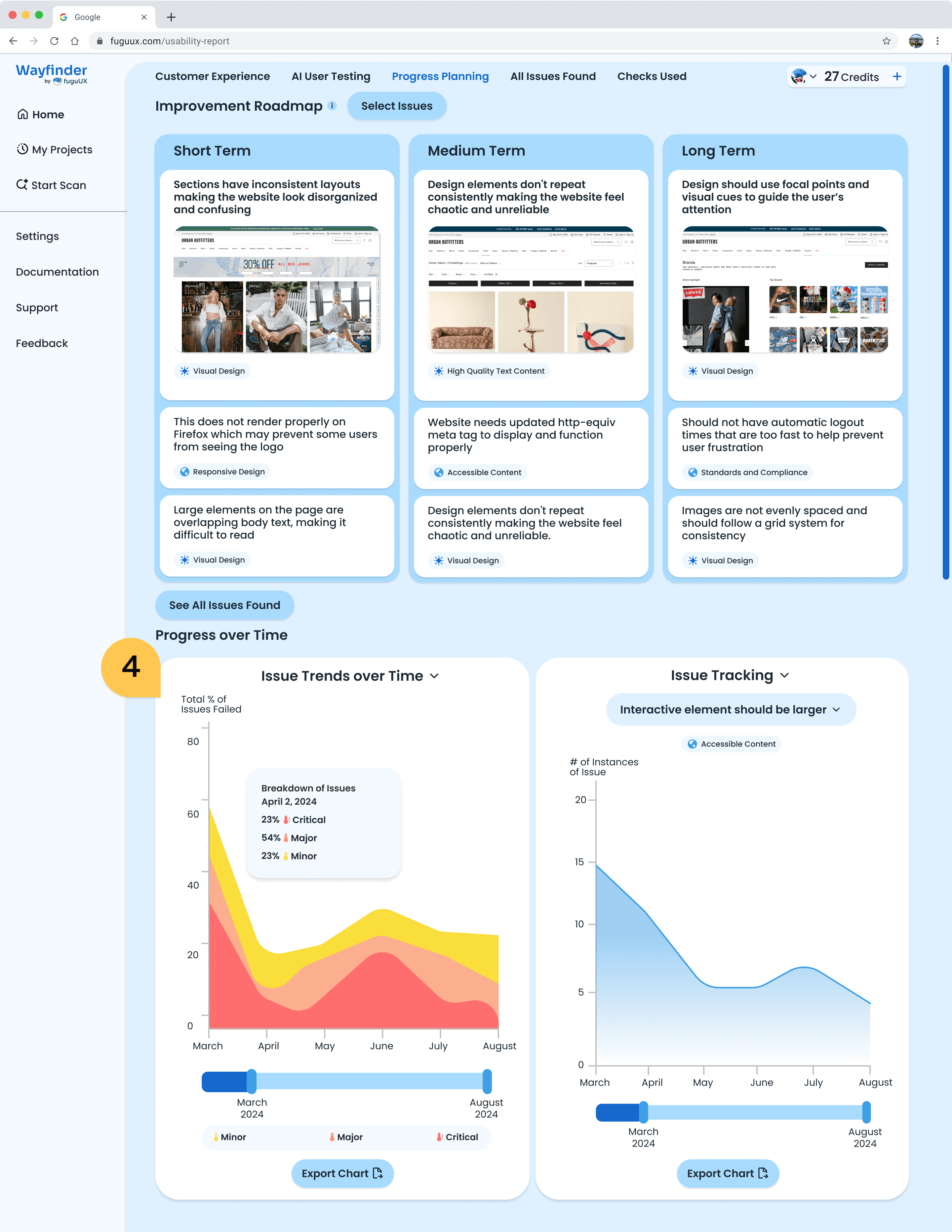
Over the course of a year, we iterated through cycles of research, ideation, and prototyping to shape the product. I partnered closely with engineering to design and ship features, evolving the UI in alignment with key goals and conference milestones. Working within a small team, we balanced user feedback, rapid experimentation, and prioritization to drive impact. The following iterations highlight how these efforts informed the final product.
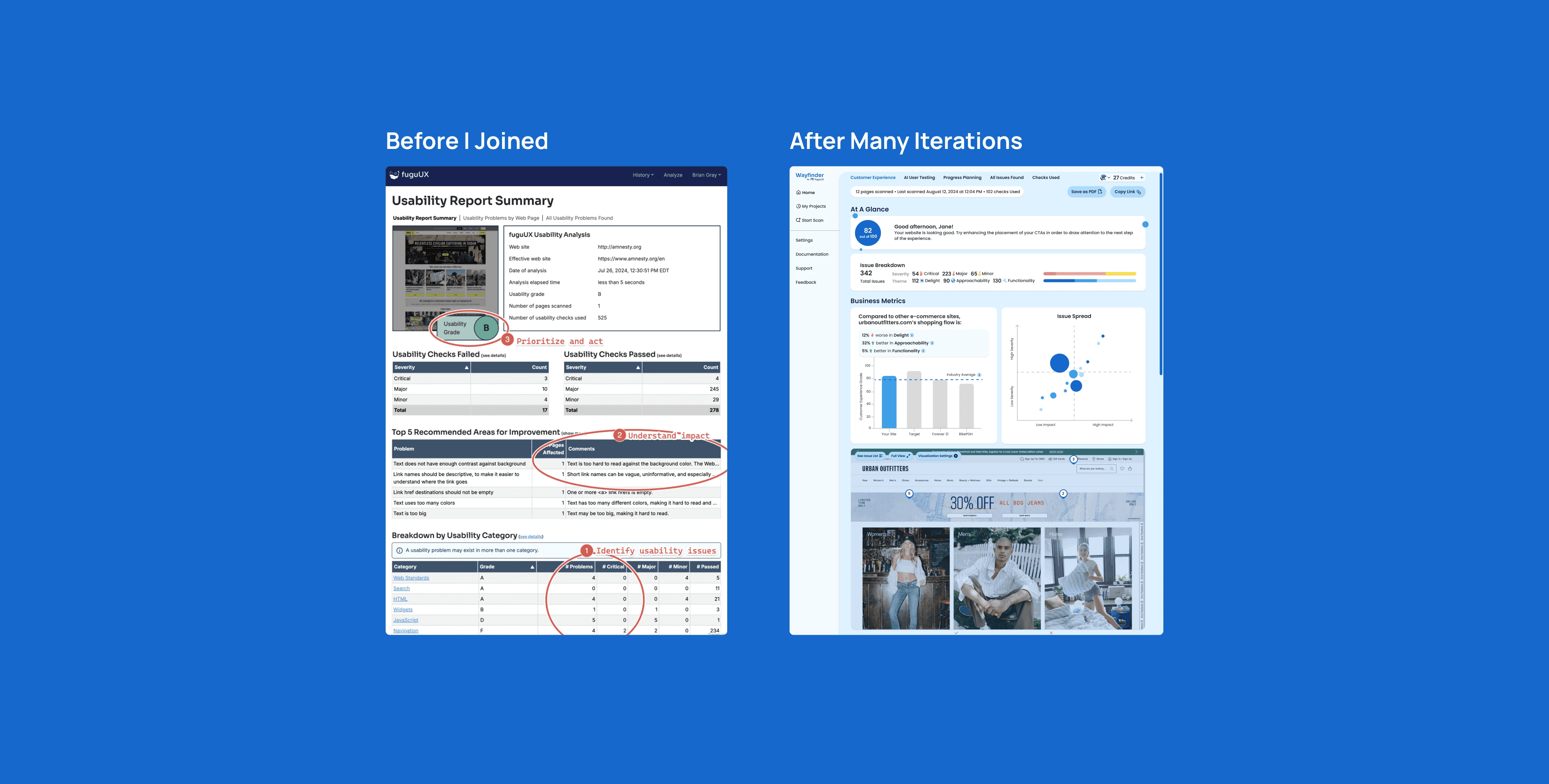
BEFORE I JOINED
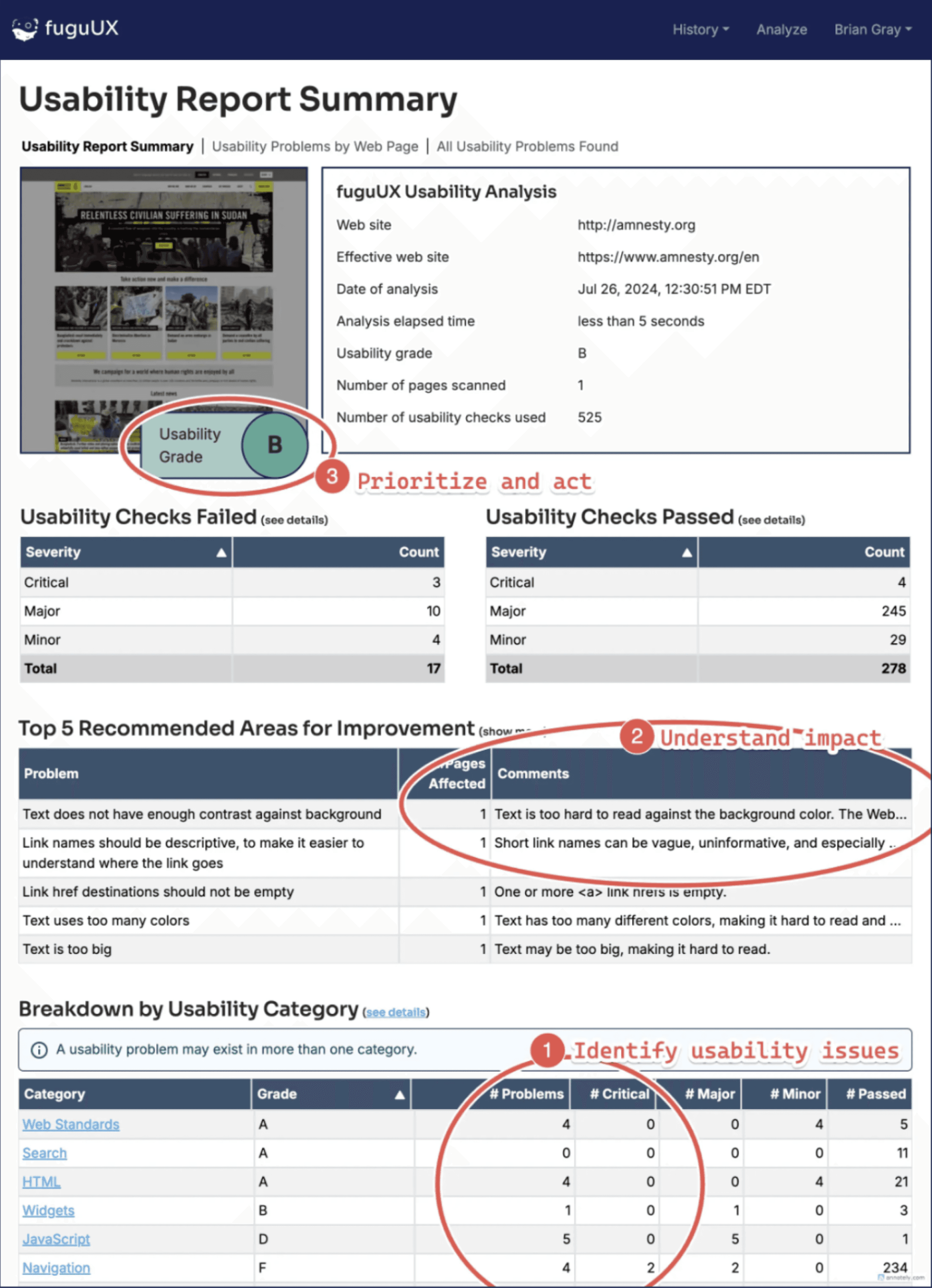
Starting from a founder-built prototype.
I led the design evolution that translated this first version of the founders' vision for the AI tool into a cohesive product experience over multiple iterations.
ITERATING WITH AI
I vibe coded with AI tools to synthesize prototypes and collaborate with my engineers.
We frequently switched between data visualization libraries, so I vibe coded to prototype concepts, exploring each library’s design potential, and shared working examples with engineers to validate styling and implementation. I also leveraged AI tools early in the process to generate placeholder content and accelerate initial design exploration.
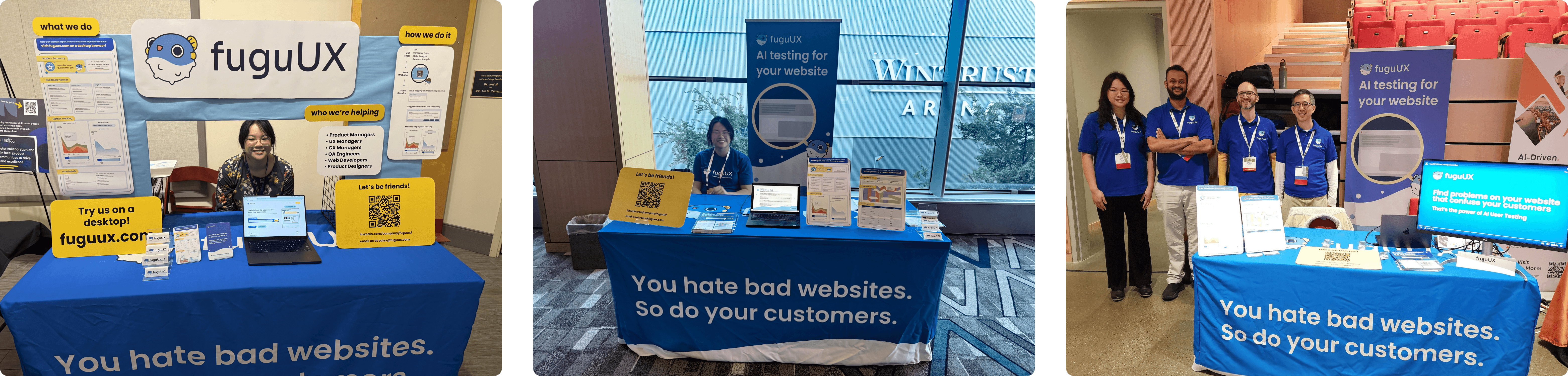
I also designed all of our marketing materials along the way and wrote 20+ articles about design and AI on our blog here
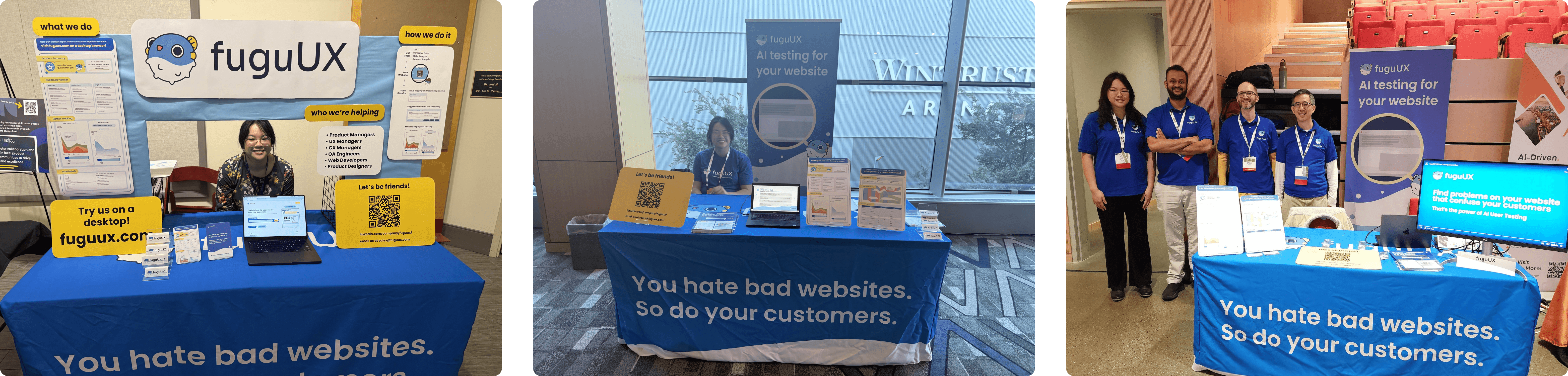
My self-started research directly shaped both design direction and engineering priorities — giving my engineering team a clear, evidence-based foundation to build from.
AFTERWORD
As the founding product designer, I owned the end-to-end design of a novel AI product, shaping the vision, defining the experience, and driving adoption. I partnered closely with engineers from top tech companies and founders with deep expertise in HCI, AI, and privacy to iterate rapidly and deliver a cohesive product. The evolution of this product occurred during the evolution of new AI design tools, so it was fun to experiment with vibe coding and ideating through new methods. Through research, interviews, conferences, and multiple launch cycles, I translated insights into strategic design decisions that directly advanced both product goals and business impact.